

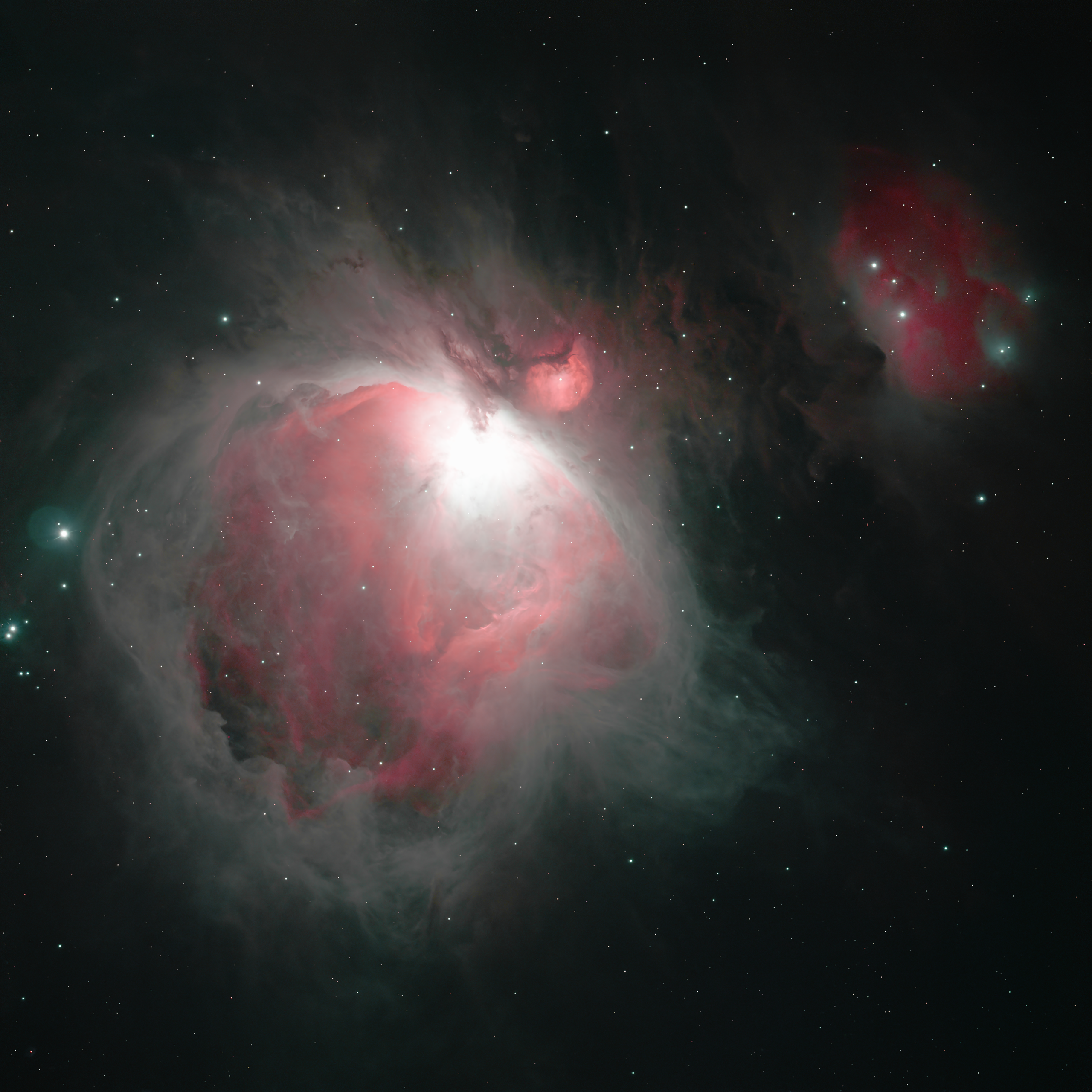
Apesar de desta vez ter contado com boas condições meteorológicas (mas pouco tempo por sessão devido à posição da Nebulosa no céu), cada sessão no céu traz sempre os seus próprios desafios, e também novas oportunidades de melhorar. Decidi revisitar a Nebulosa de Orion (M 42), um dos alvos mais icónicos do céu de inverno, agora com um setup mais capaz. Esta foi a segunda vez que a captei, mas a diferença é evidente. A primeira tentativa, com o Seestar S50, já tinha revelado a beleza da nebulosa, mas com o equipamento atual foi possível ir muito mais longe, tanto em detalhe como em profundidade.
Although this time I had good weather conditions (but with limited time per session due to the nebula’s position in the sky), every session under the sky brings its own challenges, and new opportunities to improve. I decided to revisit the Orion Nebula (M42), one of the most iconic targets in the winter sky, now with a more capable setup.
This was my second time capturing it, but the difference is clear. My first attempt, using the Seestar S50, had already revealed the nebula’s beauty, but with my current equipment I was able to go much further, both in detail and in depth.
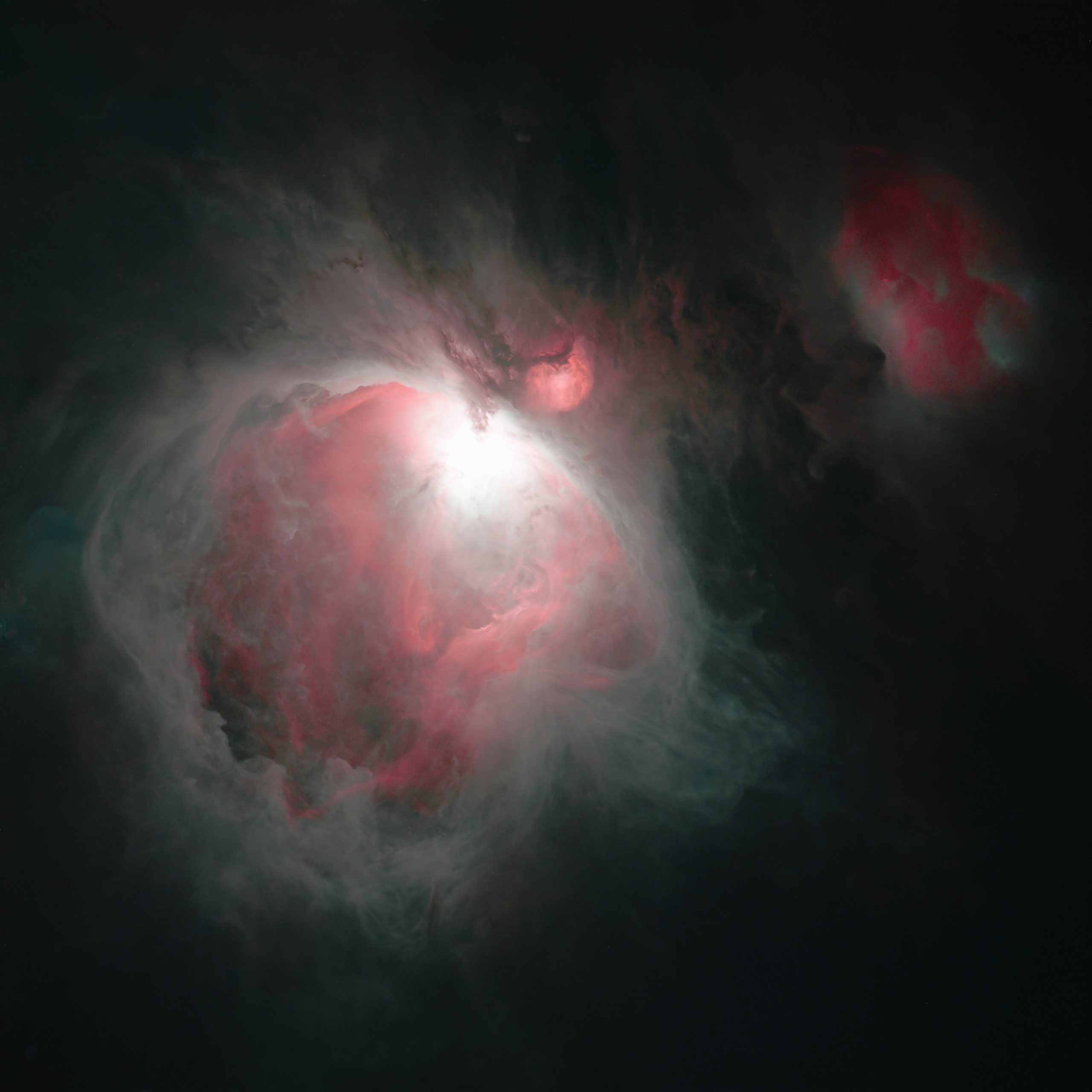
A M 42 é uma nebulosa de emissão, uma imensa região de formação estelar onde o gás ionizado brilha intensamente, criando aquele característico tom avermelhado, contrastado por zonas mais escuras de poeira interestelar. No seu coração encontra-se o famoso Trapézio, um grupo de estrelas jovens que ilumina e molda toda a estrutura envolvente.
Com um total de 7 horas de integração, foi possível capturar não só o núcleo brilhante, mas também as regiões mais subtis que se estendem para o exterior. O equilíbrio no processamento foi essencial para preservar a dinâmica da imagem, evitando que o centro saturasse demasiado, enquanto se mantinham visíveis os detalhes mais ténues.
O resultado final revela a riqueza desta região fascinante, onde novas estrelas continuam a nascer, oferecendo-nos um vislumbre direto dos processos que moldam o universo. 🤩
M42 is an emission nebula, an immense star-forming region where ionized gas glows intensely, creating that characteristic reddish hue, contrasted by darker lanes of interstellar dust. At its heart lies the famous Trapezium, a group of young stars that illuminate and shape the entire surrounding structure.
With a total of 7 hours of integration, it was possible to capture not only the bright core but also the more subtle outer regions extending outward. Achieving the right balance in processing was essential to preserve the image’s dynamic range, preventing the center from becoming overly saturated while still keeping the faint details visible.
The final result reveals the richness of this fascinating region, where new stars continue to be born, offering us a direct glimpse into the processes that shape the universe. 🤩
🔭 Gear Used
📷 Camera: ZWO ASI533MC Pro
🔭 Telescope: Sky-Watcher Evolux 82ED + Field Flattener
🗜 Mount: Sky-Watcher Wave 100i
🔌 Accessories: ZWO EAF
🎯 Filter: None
⏳ Acquisition
⏱ Exposure per sub: 120 s
🧮 Number of subs: 210
🕒 Total integration: 7 h 00 min
🌒 Sky location: Silves
🌙 Capture sessions: 5 nights
📅 Date: 19-01-2026